Health and Safety Policy for Fulham Cleaner
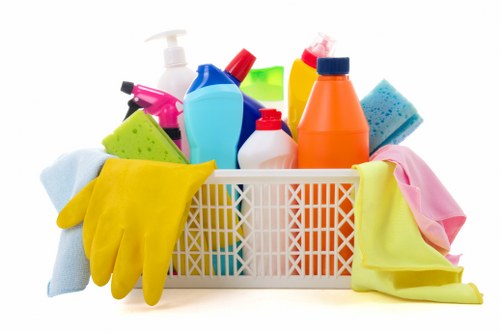 Fulham Cleaner is committed to maintaining a safe, healthy, and responsible working environment for our team, clients, and anyone who may be affected by our cleaning activities. This health and safety policy sets out the principles we follow to reduce risk, prevent injury, and support consistent safe practice across all domestic and commercial cleaning tasks. We believe that effective safety management is not a one-time task, but an ongoing responsibility shared by everyone involved in our cleaning operations.
Our approach is based on careful planning, proper training, and sensible controls. Before any task begins, staff are expected to consider the work area, the equipment required, and any possible hazards. This includes slips, trips, manual handling, exposure to cleaning chemicals, electrical risks, and the safe use of ladders or step tools. By applying simple precautions and maintaining high standards, our cleaner services can be delivered efficiently without compromising wellbeing.
We expect all workers to act responsibly, follow safe procedures, and report concerns promptly. A strong safety culture depends on communication, awareness, and accountability. Whether the work involves routine dusting, deep cleaning, or specialist cleaning in busy environments, the same core principles apply: assess the task, choose the safest method, and complete the work with attention to detail.
Risk assessment is a key part of our policy. Each assignment should be reviewed to identify potential hazards and determine suitable precautions. In some cases, this may mean using warning signs, limiting access to a cleaned area, wearing protective equipment, or adjusting the cleaning schedule to avoid unnecessary disruption. Reasonable control measures help protect both cleaners and occupants, while also supporting a professional finish.
All cleaning equipment must be fit for purpose, used correctly, and kept in good working condition. Faulty machines, damaged cables, and worn tools should never be used. Staff are expected to inspect equipment before and after use, and any defect must be reported immediately. Safe equipment handling is especially important when working with vacuum machines, steam devices, mops, and other items that may create hazards if misused.
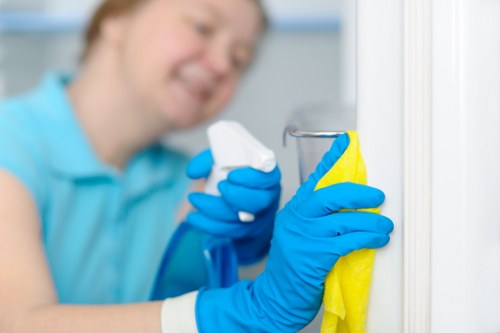 Cleaning materials must be stored, labelled, and handled in line with safety instructions. Staff should always read product information before use and avoid mixing chemicals unless this is explicitly permitted. Gloves, masks, and other protective items may be required depending on the product and task. Good ventilation should also be considered when using substances that may release fumes or irritate the skin, eyes, or respiratory system.
 Manual handling is another important area of control. Lifting heavy bags, moving furniture, and carrying water containers can place strain on the body if done incorrectly. Workers should use safe lifting techniques, avoid unnecessary twisting, and ask for assistance where needed. Where possible, tasks should be planned to reduce heavy lifting and repetitive strain, helping to prevent injury and fatigue.
We also recognise the importance of maintaining clean, tidy, and organised workspaces. Wet floors, trailing cords, cluttered corridors, and poorly stored items can all contribute to accidents. Clear signage, careful positioning of tools, and regular housekeeping help reduce the chance of slips and trips. In a busy property or workplace, small preventative actions can make a major difference to overall safety.
Training and supervision are central to our health and safety policy. Staff should receive appropriate instruction on safe working methods, emergency procedures, equipment use, and the correct handling of materials. New team members should be supported until they demonstrate a clear understanding of safe practice. Ongoing supervision helps reinforce standards and ensures that good habits are maintained over time.
Personal protective equipment, or PPE, must be used whenever the task requires it. This may include gloves, eye protection, masks, or non-slip footwear. PPE should be selected according to the nature of the work and the risks involved. It is important that protective items are worn correctly, kept clean, and replaced when damaged or worn out.
Emergency preparedness is also part of our commitment to safety. Staff should know how to respond to spills, accidents, exposure incidents, and other urgent situations. Minor injuries must be dealt with promptly, while more serious incidents require immediate escalation in line with internal procedures. A calm and organised response helps limit harm and supports safe continuation of work where appropriate.
We expect all cleaners to maintain professional awareness at all times, especially when working around children, vulnerable adults, pets, or members of the public. Extra care should be taken to avoid leaving tools unattended, using strong products without consideration, or creating obstacles in occupied areas. The aim is to deliver excellent results while respecting the safety and comfort of everyone present.
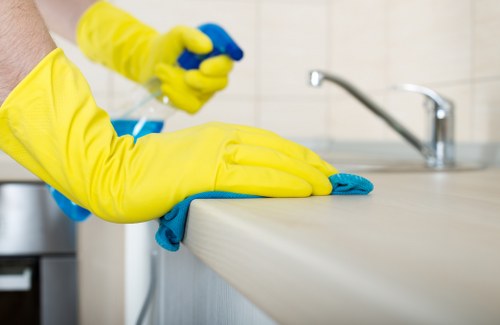 Environmental responsibility is also reflected in our safe-working standards. We encourage sensible product use, waste reduction, and proper disposal of materials wherever possible. Choosing suitable quantities of cleaning agents, reusing equipment responsibly, and avoiding unnecessary waste all contribute to a safer and more efficient operation. Safe practice and sustainable practice often go hand in hand.
Our policy will be reviewed periodically to ensure it remains effective, practical, and aligned with current operational needs. Updates may be made after incidents, changes in equipment, or the introduction of new methods. A policy only works when it reflects real working conditions, so we are committed to continuous improvement and regular monitoring.
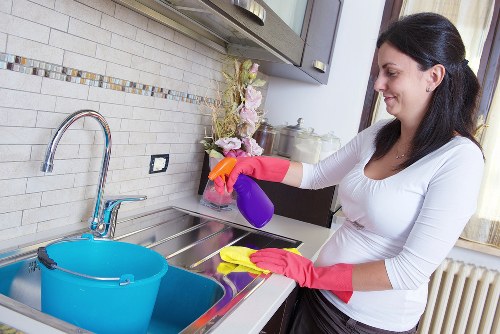 Fulham Cleaner understands that health and safety is everyone’s responsibility. By following this policy, we aim to create a reliable standard of work that protects people, property, and peace of mind. Safe cleaning practices support quality service, reduce avoidable disruption, and help ensure that every job is completed with care, confidence, and professionalism.